
Eat More Protein to Stay Full Longer and Reduce Daily Hunger
Protein is one of the most important nutrients our bodies need. It’s essential for building and repairing muscles, producing enzymes, and supporting overall health. But beyond its role in growth and repair, protein has another major benefit that often gets overlooked: it keeps you full for longer. If you struggle with constant hunger, mid-day cravings, or overeating, increasing your protein intake could be the solution you need.
Many people rely on carbohydrates or sugary snacks to get quick energy. These foods can satisfy hunger briefly but often lead to blood sugar spikes and crashes. This cycle leaves you hungry soon after eating. Protein works differently. It digests more slowly and has a stronger effect on the hormones that control appetite. By focusing on protein at every meal, you can feel satisfied for longer periods and reduce unhealthy snacking.
How Protein Affects Fullness and Hunger
Protein impacts our bodies in several ways that directly affect hunger. One key factor is digestion. Protein takes longer for the body to break down compared to carbohydrates. This slower digestion means your stomach empties more gradually, keeping you feeling fuller over time.
Another important factor is blood sugar regulation. Carbs, especially refined ones like white bread or sugary cereal, can cause rapid spikes in blood sugar. These spikes are often followed by quick drops, which trigger hunger and cravings. Protein, in contrast, helps maintain steady blood sugar levels. This reduces the frequency and intensity of hunger signals, making it easier to control appetite throughout the day.
Protein also influences hormones related to hunger and satiety. Eating protein increases levels of peptide YY, a hormone that signals fullness to your brain, while decreasing ghrelin, the hormone that makes you feel hungry. This combination helps your body naturally regulate appetite without extra effort.
Research confirms that meals higher in protein are more satisfying than meals high in fat or carbohydrates. Even a modest increase in protein can lead to reduced calorie intake later in the day. This makes protein a helpful tool not just for fullness but also for weight management and overall health.

Best Sources of Protein
There are many protein sources to choose from, whether you prefer animal-based or plant-based foods. For those who eat meat, lean options like chicken, turkey, and fish are excellent. They provide high-quality protein without excessive saturated fat. Eggs are also a versatile choice, rich in protein and easy to prepare in multiple ways.
Dairy products can also be a good protein source. Greek yogurt, cottage cheese, and milk are all high in protein while offering additional nutrients like calcium and vitamin D. Greek yogurt, in particular, has nearly double the protein of regular yogurt, making it a convenient way to boost your intake.
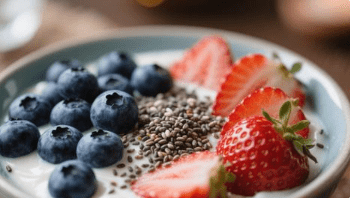
Plant-based eaters have plenty of options as well. Legumes such as beans, lentils, and chickpeas are packed with protein and fiber, which also helps with fullness. Tofu, tempeh, and edamame are excellent soy-based proteins that can be used in a variety of dishes. Nuts and seeds, including almonds, pumpkin seeds, and chia seeds, provide protein and healthy fats, which further support satiety.
It’s important to combine different protein sources for balance. While animal proteins generally contain all essential amino acids, plant-based proteins may lack some. Combining grains with beans or nuts with legumes ensures your body gets complete proteins. Doing so not only helps you stay full but also supports overall nutrient intake, including vitamins, minerals, and fiber.
Practical Ways to Add More Protein to Your Diet
Increasing protein doesn’t have to be complicated. There are small, practical ways to make protein a consistent part of your daily meals.
Start your day with a protein-rich breakfast. Instead of cereal or pastries, try eggs, Greek yogurt, or a smoothie with protein powder, milk, and fruits. A breakfast high in protein can prevent mid-morning hunger and reduce the temptation to snack on sugary foods.
Include protein in every meal, not just lunch and dinner. Snacks are a great opportunity to boost protein intake. Nuts, seeds, cottage cheese, or boiled eggs can help curb hunger between meals. Even a small protein snack can make a noticeable difference in your appetite.
At lunch and dinner, focus on a lean protein source paired with vegetables and healthy carbs. Grilled chicken, turkey, or fish works well, as do plant-based options like lentil stew, chickpea salad, or tofu stir-fry. Combining protein with fiber-rich vegetables and whole grains helps extend the feeling of fullness even further.
Meal prepping can also make protein intake easier. Cooking protein in advance and storing it in the fridge ensures you always have ready-to-eat options. This reduces the chance of skipping protein or reaching for convenient but less satisfying foods.
Smoothies and shakes can also be effective, especially on busy days. Adding protein powder, Greek yogurt, or nut butter provides a convenient protein boost. However, whole foods should remain the main source of protein, with supplements only filling in gaps when necessary.
Finally, don’t forget hydration. Water can help support digestion and satiety. Sometimes thirst is mistaken for hunger, so staying hydrated alongside protein intake helps control cravings more effectively.
Additional Benefits of Protein
Beyond fullness, protein offers several other benefits. It supports muscle growth and repair, which is especially important if you exercise regularly. Adequate protein intake can improve strength, endurance, and recovery after workouts.
Protein also supports metabolism. Your body burns more calories digesting protein compared to fats and carbohydrates, a process called the thermic effect of food. This means higher protein intake can slightly increase daily calorie expenditure, which may support weight management over time.
Protein also helps maintain healthy skin, hair, and nails. The amino acids in protein are building blocks for keratin, collagen, and other structural proteins that support your body’s tissues. Eating enough protein can improve overall health and appearance.
Finally, protein plays a role in immune function. Antibodies, enzymes, and many hormones rely on amino acids derived from protein. Meeting your daily protein needs ensures your body has the resources it needs to fight infection and maintain overall well-being.
Conclusion
Eating more protein is a simple but powerful strategy to stay full longer. By slowing digestion, stabilizing blood sugar, and affecting appetite hormones, protein helps control hunger naturally. It also supports muscle growth, metabolism, and overall health.
Including protein at every meal, choosing a variety of protein sources, and preparing protein-rich snacks can make it easier to meet daily needs. From eggs and Greek yogurt to beans, lentils, and lean meats, there are countless ways to add protein to your diet.
Start small and build habits gradually. Add protein to breakfast, include snacks with protein, and focus on protein at lunch and dinner. Over time, you’ll notice less snacking, reduced cravings, and better control over hunger. Eating more protein isn’t just about weight management—it’s about feeling satisfied, energized, and healthier every day.