
Track Fitness Progress Without Obsessing Over the Scale
Most people measure their weight loss or fitness success by stepping on a scale. It’s simple, fast, and feels like a reliable measure. But anyone who has tried knows the number on the scale doesn’t always tell the full story. Your weight can go up and down daily for reasons that have nothing to do with fat loss—like water retention, hormones, or even the timing of your last meal. When the number doesn’t move or goes in the “wrong” direction, frustration sets in. That’s why focusing only on the scale can do more harm than good.
Tracking progress is important, but obsessing over a single number is not. There are better, healthier ways to measure changes in your body, your habits, and your mindset. Let’s look at practical methods you can use to track progress without falling into the scale trap.
1. Focus on Body Changes, Not Just Body Weight
The scale doesn’t measure muscle, fat, or body composition—it measures total weight. Two people with the same weight can look completely different based on muscle mass. That’s why paying attention to how your body changes is often more accurate than the number on the scale.
Use Progress Photos
Take photos every few weeks wearing the same clothes and standing in the same position. Over time, you’ll notice changes in shape, posture, and muscle tone that a scale cannot reveal.
Measure Body Circumference
Keep a soft tape measure handy and track areas like your waist, hips, arms, and thighs. Inches often come off even when the scale barely moves. For example, someone building muscle and losing fat may stay at the same weight while dropping pant sizes.
Notice Clothing Fit
Sometimes the easiest way to track change is through your clothes. Jeans that felt snug may fit comfortably, or shirts may feel looser around the shoulders. These are small but powerful signals of progress.

2. Pay Attention to Energy, Strength, and Daily Habits
Weight loss and fitness are about more than looks. They’re about how you feel and function in daily life. Tracking improvements in strength, endurance, and lifestyle habits gives you a broader picture of progress.
Track Strength and Endurance
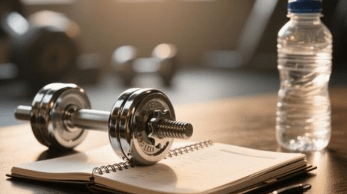
Keep a workout journal. Write down how much weight you lift, how many push-ups you can do, or how long you can run without stopping. Watching your numbers improve over time shows your body is getting stronger—even if the scale stalls.
Notice Energy Levels
Do you feel more energetic during the day? Are you less tired climbing stairs? Small boosts in stamina and less reliance on caffeine are signs your body is working more efficiently.
Log Habits, Not Just Outcomes
Sometimes the best way to track progress is by counting what you do, not just what you get. Did you drink enough water? Eat balanced meals? Hit your workouts for the week? Progress is about consistency, and logging your habits can be more motivating than checking your weight.
Better Sleep and Recovery
Good nutrition and movement often improve sleep quality. If you’re waking up more refreshed or falling asleep faster, that’s a win worth celebrating.
3. Measure Success Through Mindset and Lifestyle Changes
Weight loss journeys often focus too heavily on numbers, overlooking mental and emotional progress. Real success is found in sustainable changes and how you view yourself in the process.
Celebrate Non-Scale Victories (NSVs)
NSVs are milestones that have nothing to do with your weight. Examples include walking an extra mile, running your first 5K, saying no to late-night junk food, or cooking healthy meals more often. These small wins show growth in your habits and mindset.
Improved Confidence and Self-Image
When you notice yourself feeling more comfortable in your body or being more confident in social situations, it’s proof that progress isn’t just physical—it’s mental too.
Stress Management
Exercise and healthy eating often reduce stress levels. If you find yourself less anxious or more patient, it’s another sign of growth.
Long-Term Sustainability
Ask yourself: are these changes things I can keep doing long-term? If you’re building habits that don’t feel like punishment, you’re on the right track. Weight loss that lasts is built on small, manageable changes over time.
A Better Way to See Progress
Relying on the scale can leave you feeling defeated, even when you’re making great strides. Instead, focus on multiple forms of progress: how your clothes fit, how strong you’re becoming, the energy you feel, and the small daily wins that build confidence. By shifting your focus, you’ll not only stay motivated but also create a healthier relationship with your body.
The journey isn’t just about a number—it’s about living better, feeling stronger, and building habits that last a lifetime.